

























A recent European Union court decision considers the issue of implied consent to commercialise a plant variety, and whether the evidence meets the threshold of “serious doubts” of the validity of the EU plant variety right.
This decision highlights the steps breeders should take when distributing new varieties for field trials to avoid accidentally voiding their plant variety rights.
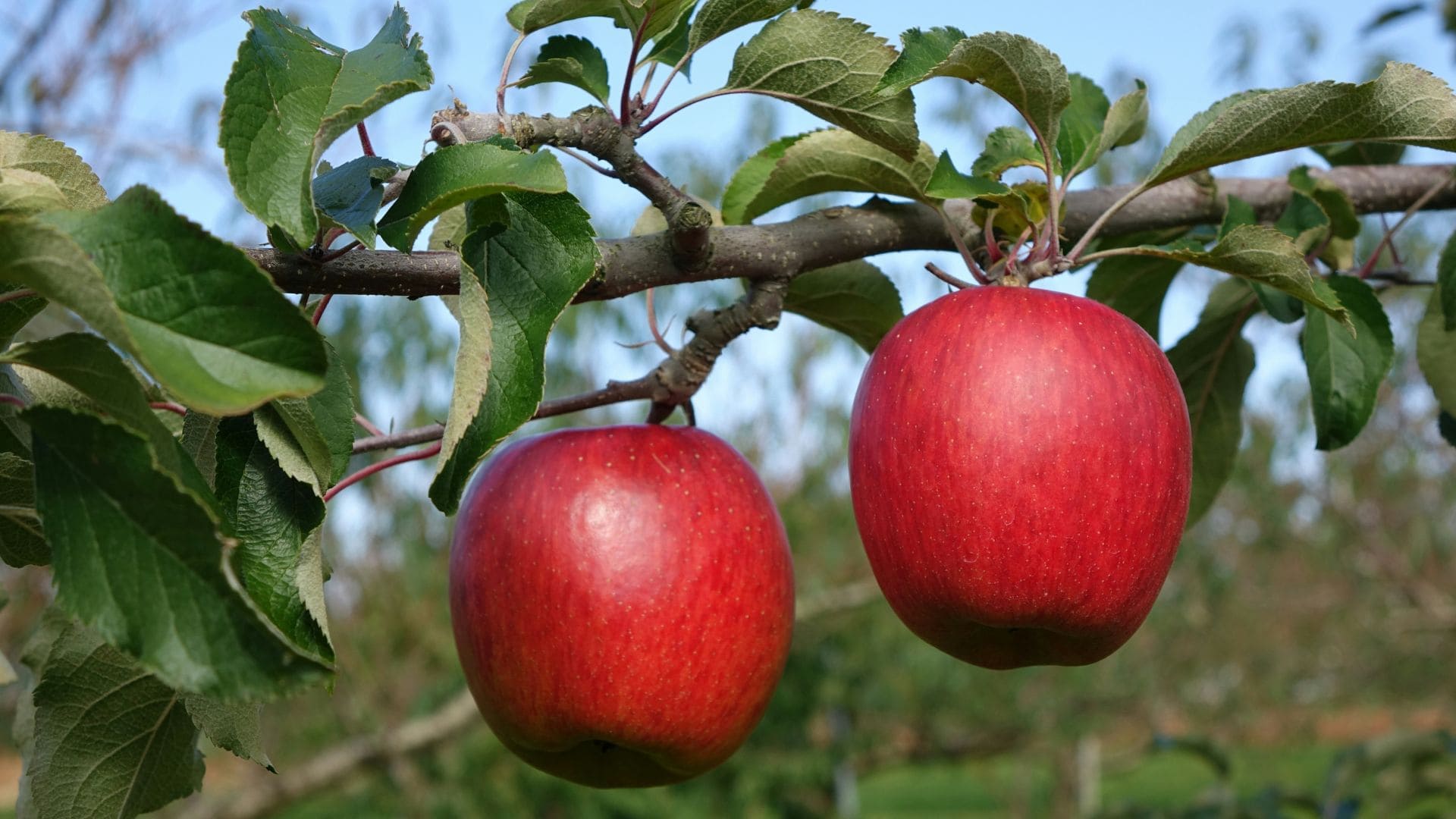
Decision T‑159/24 comes after a long-standing dispute over apple tree varieties Cripps Pink and Cripps Red, which are marketed as ‘Pink Lady’ and ‘Sundowner.’ The applicant, Western Australian Agriculture Authority, filed two Community Plant Variety Right (CPVR) applications covering these varieties on 29 August 1995, which were granted.
How did we get here?
In 2020, Teak Enterprises Pty Ltd lodged an application contesting the novelty of the two granted plant variety rights. For a tree variety to be considered “new” and therefore eligible for EU plant variety rights, it must not have been commercialised for more than six years outside the EU with the consent of the breeder.
Teak Enterprises claimed that Cripps Pink and Cripps Red were commercially exploited in Australia prior to 29 August 1989 (the relevant date for the assessment of novelty) as a result of unrestricted disposals and sales of Cripps Pink and Cripps Red with the implicit consent of Western Australian Agriculture Authority. In 2014, a similar novelty challenge lodged with respect to the Cripps Pink CPVR was unsuccessful.
The Community Plant Variety Office (CPVO), which administers CPVRs and manages EU plant variety rights, initially dismissed Teak Enterprises’ challenge on the basis that the conditions for opening nullity proceedings were not met because they had failed to raise “serious doubts” concerning the validity of the Cripps Pink and Cripps Red CPVRs. Notably, the CPVO dismissed the evidential value of certain declarations because these were not supported by documentary evidence attesting to their veracity.
Teak Enterprises appealed to the Board of Appeal of the CPVO. The Board of Appeal ordered the CPVO to open nullity proceedings, finding that the CPVO had failed to properly consider the evidence and erred in finding that implicit consent from the breeder to commercialise said varieties was not sufficient to invalidate the novelty of the contested applications, such that serious doubts concerning the validity of the applications were indeed raised. This decision was then appealed by CPVO and the applicant to the General Court of the Court of Justice of the European Union.
What counts as implicit consent to exploit a variety?
One key issue in this case is what amounts to “consent of the breeder” to exploit a variety and whether implicit consent to commercialise counts as consent under the relevant novelty provision, namely Article 10 of Council Regulation (EC) No. 2100/94 on Community plant variety rights.
For example, the previous challenge to the Cripps Pink variety right was dismissed in part because, although disposals of the variety had occurred prior to 29 August 1989, these disposals were in the context of trials for the purposes of evaluation under commercial cultivation conditions, and not for the purposes of exploitation for profit.
In the present challenge, the General Court sided with the Board of Appeal of the CPVO, finding that the new evidence provided by Teak Enterprises shows the two varieties having been provided to commercial nurseries from 1987 to 1989 without any restriction as regards their use. Since there was no indication that these disposals were for test purposes only, this indicated the breeder’s consent to exploit the varieties.
The decision reaffirms the existing case-law that a breeder’s consent to commercialise a variety may be implicit, that is to say, consent to exploit a variety may be inferred from the breeder’s acts or behaviour or from the facts of the circumstances. This does not mean that the breeder must always expressly place restrictions on the use of a new plant variety as long as they can prove that the supply of that plant material was restricted purely to experimental or testing purposes. Therefore, where supply of a new variety has taken place before the relevant date for the assessment of novelty, it is for the person who supplied the varieties to demonstrate that those disposals were limited to research or testing purposes only. Keen readers may find the relevant discussion in paragraphs 101 to 105 of the decision.
Can declarations raise “serious doubts” about the validity of an application?
Another key issue in this case was the evidential value that may be afforded to declarations and whether supporting evidence is required to attest to their veracity.
The General Court summarises in its decision that an assessment of the evidential value of a document requires considering the credibility of the account it contains, the person who made the declaration, the circumstances in which it was made, the person to who it was addressed, and whether the document appears sound and reliable.
In the circumstances of the present case, the General Court found there to be no need to call into question the evidential value of a declaration that was made by someone who had no presumed interest in the outcome of the case. Also, no supporting evidence was specifically required for declarations that could be cross-checked and found to be in line with the facts put forward as other items of submitted evidence. Accordingly, the General Court found that the CPVO failed to properly consider the evidence.
More to come?
As the General Court has dismissed the appeal, the original order of the Board of Appeal of the CPVO stands, directing the CPVO to open nullity proceedings.
Key takeaway
For a variety to be new and therefore eligible for EU plant variety rights, it must not have been exploited for profit inside the EU for more than one year prior to filing a CPVR application, or more than four years outside the EU (or six years for trees and vines), with the consent of the breeder.
Consent from the breeder can be express or implicit, that is to say, the breeder can give consent which is clear, or can be inferred from their acts or behaviour or the facts of the circumstances.
When supplying a new variety to third parties for the commercial trials and evaluation, it is important to place clear restrictions on further exploitation. Not doing so can be taken as the breeder’s implicit consent to exploit the variety, which will start the above relevant time period for the novelty in relation to EU plant variety rights.
The decision may be found here.
This article was prepared by Trainee Patent Attorney Aron Ferenczi.