

























Blog Posts
Next big step in home health monitoring goes down the toilet
January 2023
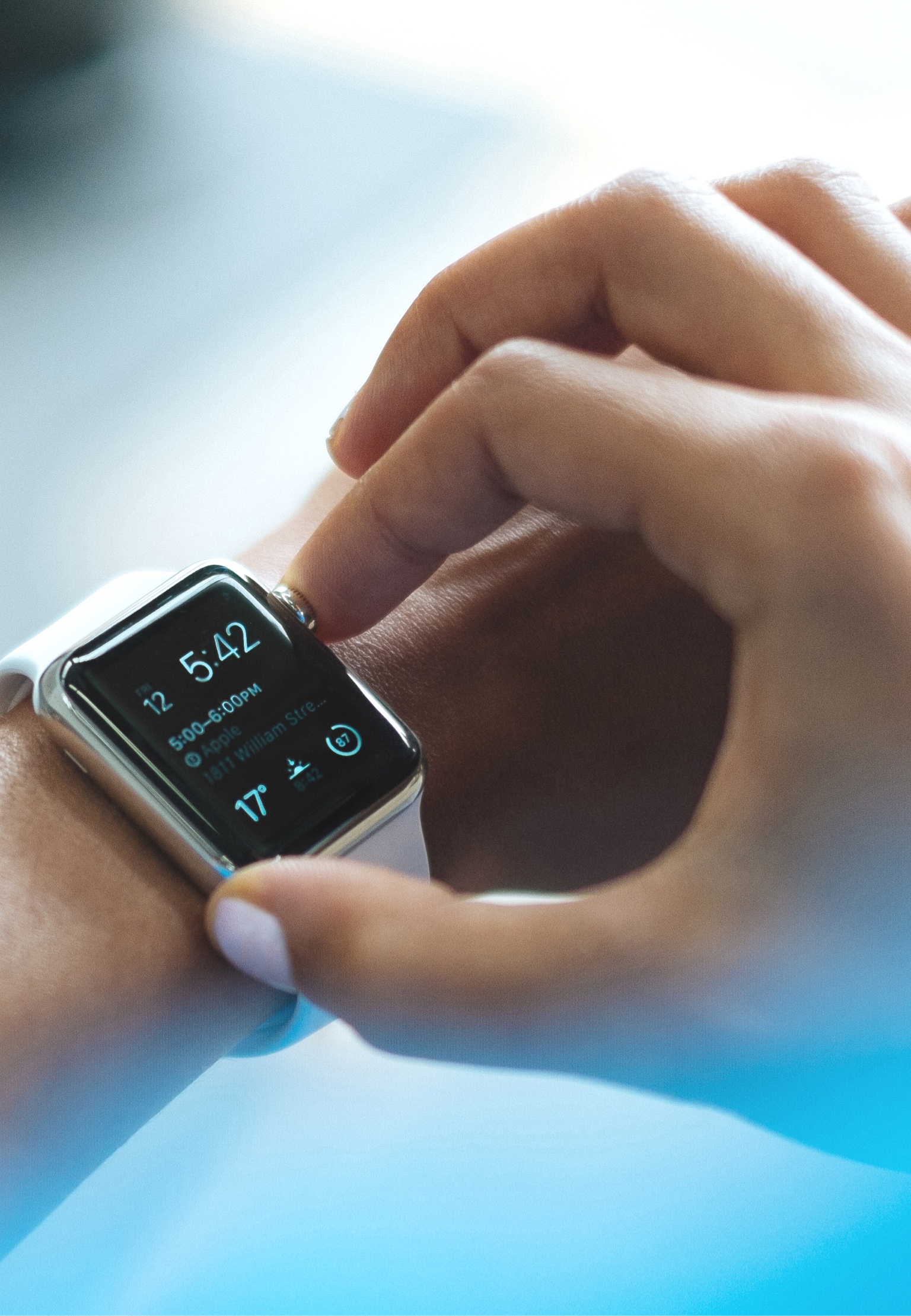
We are all familiar with the recent surge in popularity of wearable health monitoring devices, empowering users to track a variety of health metrics at home. Smart watches are becoming increasingly complex and sophisticated, granting the wearer access to ever wider ranges of biometrics including those relating to cardiovascular health, activity and sleep analysis. However, the next big thing in home digital health monitoring may unexpectedly not be a wearable device – but instead may be designed to reside in your toilet.
Digital health company Withings are known for sophisticated wearable devices and smart scales, however their latest product offering is the U-Scan, a hands-free connected home based urine lab. The U-Scan is a reported first of its kind, and has been unveiled at CES 2023 where it has already received the accolade of honoree in the 2023 innovation awards.
Urine has until now been a largely underestimated source of health data. It contains over 3000 metabolites – providing a huge number of biomarkers – so has the potential to provide a wealth of information on the body’s health which can be monitored over time. Typically, urinalysis is only performed in medical settings. The U-Scan aims to bring the ability to capture these metrics to the home, enabling users to track these biomarkers regularly over time through an associated tracking app. Although at-home urine analysis has been considered in the past, the barrier of sample collection can be off-putting to users, and this may be one reason why, to date, nothing appears to have been significantly commercially exploited in this area. The unveiled U-Scan is a pebble-shaped pod designed to sit discreetly within a toilet bowl, containing a reader and an interchangeable cartridge. The device collects and analyses urine automatically, without requiring the user to manually collect a sample. Cartridges and battery life reportedly last three months of daily use, meaning no contact is needed until the device needs to be charged or the cartridge needs to be changed.
The U-Scan certainly appears to be unique in the marketplace, and unsurprisingly Withings’ associated patent filing data supports the large amount of innovation needed to overcome the technical challenges involved. The company have six published patent families directed to the device, and have reported that thirteen patent families exist, suggesting that more will be published in the coming months. Patent filings are not routinely published until 18 months after first filing and, therefore, new filings made shortly before CES 2023 may not be available until during 2023.
Withings’ published applications cover a broad range of electronic and mechanical aspects of the U-Scan device, as is to be expected with such a novel product.
The U-Scan collects urine samples by virtue of the pebble shaped design causing urine to flow efficiently into a collection inlet, which is the subject of one published patent family WO21175944. A thermal sensor detects the urine, and reportedly the U-Scan also includes a stream ID feature which enables the device to tell the difference between various users through a low-energy radar sensor. Withings appear to have a published patent family relating to the temperature sensing infrastructure, WO22180328, however nothing has yet been published relating to the stream ID. The urine is injected into a test pod for chemical analysis, and the device is connected via Wi-Fi so that results are sent within minutes to the user through an associated app.
In addition to those mentioned above, the published portfolio extends to the microfluidic collection mechanism (e.g. WO20208031) and the electronic arrangement (e.g. EP3562407).
Withings’ patent strategy of filing for a variety of different aspects of the U-Scan device is aimed at providing comprehensive protection for all aspects of the device to make it is hard as possible for others to ride on their coat tails.
At this time two initial cartridges have been announced for the device coming to market, each with a different health objective. The first, NutriBalance, aims to provide users with metrics relating to hydration and nutrition, along with actions such as advice, recipes or activities to help users reach pre-defined goals. The second, Cycle Sync, aims to help women track menstrual cycles. However, the potential applications for this technology are far reaching, for clinical settings, medical trials and more. The U-Scan appears to have opened the door to a new avenue for at-home health monitoring, and we are excited to see what else CES has in store in this field.