
























AGRITECH + IP
The Strawberry Patent Battle: Seeds, Speculation, and Jurisdiction
June 2025
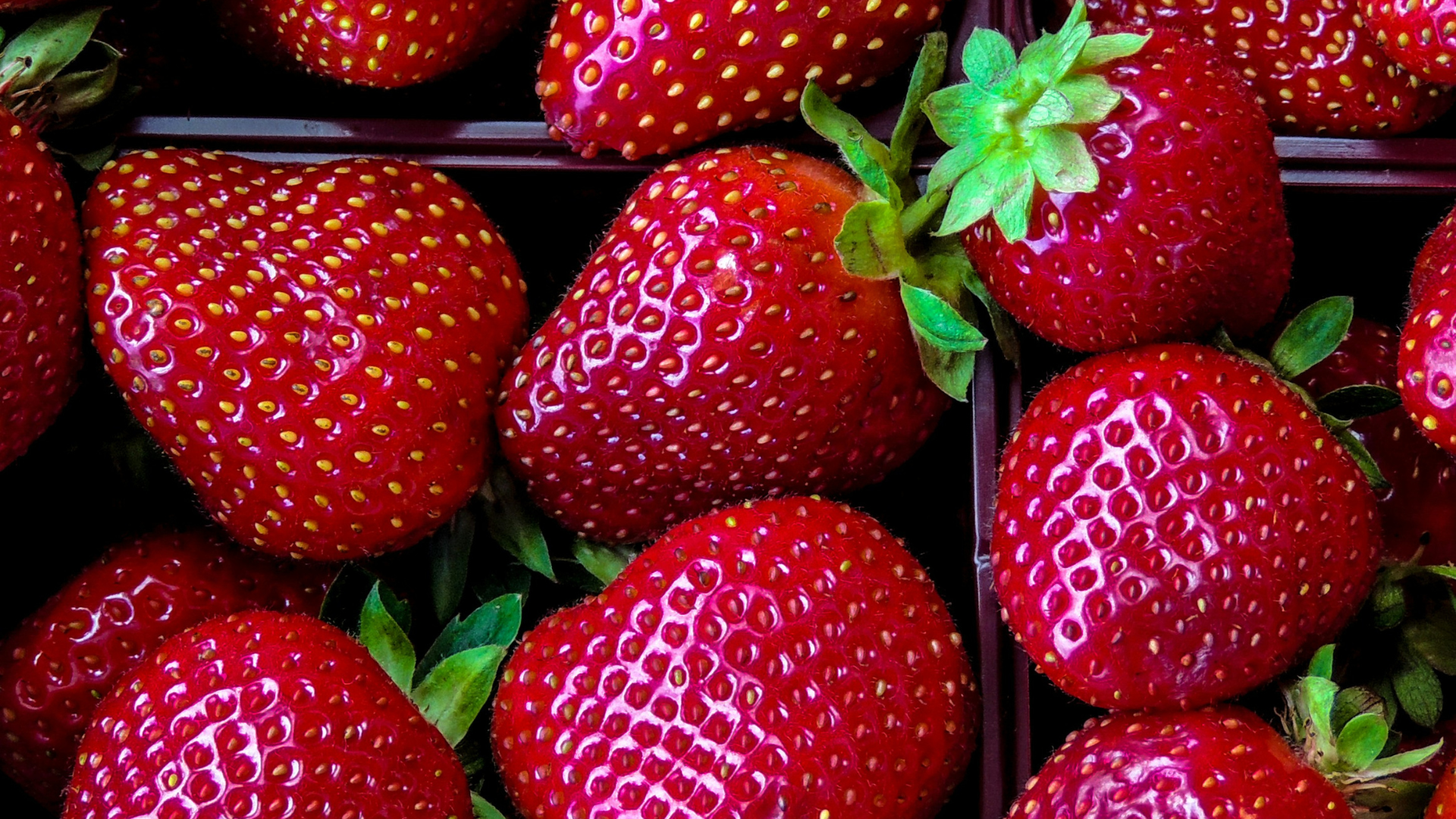
This case, relating to infringement of a US plant patent, deals with the evidentiary burden required to show infringement of a plant patent in the US, as well as highlighting the problems associated with asserting IP rights in relation to breeding programs conducted across different jurisdictions.
A US plant patent provides protection for asexually produced plants (apart from tuber propagated plants and uncultivated plants). A plant patent owner has the right to exclude third parties from “asexually reproducing the plant, and from using, offering for sale, or selling the plant so reproduced, or any of its parts, throughout the United States, or from importing the plant so reproduced, or any parts thereof, into the United States.” Notably, in contrast to plant variety rights, a plant patent does not provide protection against unauthorised export of the protected plant.
The case relates to the breeding of strawberries, with the patentee (Driscoll) in 2019 alleging that California Berry Cultivars (CBC) had infringed three of their US plant patents, firstly by cross-breeding the patented varieties in Spain, and then secondly by importing seed derived from the cross-breeding program into the US.
In strawberries, the male plant provides the pollen, and the female plant produces the fruit and seeds. However, most strawberry flowers include both male and female reproductive parts, and so in a cross-breeding event, any single variety could be used as either the male or the female parent.
Driscoll’s allegation relating to infringement as a result of unauthorised importation of seed was based on the argument that their patented plants were used as female plants for crossbreeding, and therefore the seeds imported in the US were a “part” of a patented plant. To support this allegation, they needed to provide evidence as to which variety was used as the female in each cross. However, the CBC’s breeding plans did not specify which variety was used as the female in each cross, and there was no evidence of how each cross was performed. The Judge found that Driscoll relied on “guesswork and speculation” regarding the parents in the cross-breeding, and had failed to meet its evidentiary burden in showing that the seed was indeed a ‘part’ of one of their protected varieties. The Judge remarked that “the mere existence of progeny of a patented plant does not support an inference that that Defendants imported and used seeds that were grown on a Patented Plant, as opposed to the other variety in any given cross”.
The Judge further dismissed the allegation of infringement based on cross-breeding because this activity was performed in Spain and therefore outside of the jurisdiction of Driscoll’s US plant patents.
Breeding programs often take place across multiple jurisdictions, and the protection afforded can differ between patents, plant patents, and plant variety rights. This case again highlights the complexities in adequately protecting innovation in this sector, the challenges in obtaining evidence relating to third-party activities, and protecting the rights of breeders.
This article was written by Partner & Patent Attorney Punita Shah, and Trainee Patent Attorney Delphine Lauté-Caly.