


















Published July 2022
Ownership in the metaverse – a (virtual) reality or a real fiction?
A look at whether you own and control what you buy in the space.
First things first, let’s define the metaverse
The metaverse can be described as a network of virtual reality worlds where users can interact online through real world-like activities such as to work, learn, shop and socialise through their “avatars”. It is a 3D version of the internet, or as it has grandly been described “a virtual extension of the real world”.
There are various platforms making up the metaverse network. Some of the major platforms on the metaverse right now are The Sandbox, Decentraland, Cryptovoxels and Somnium Space but it is a growing network, so there is scope for many more to join. Existing entities such as the gaming platforms Fortnite and Roblox are evolving as part of the metaverse network.
Metaverse merch – what can you buy?
Some estimates state that more than $80 billion is spent on buying virtual goods each year, more than that spent on purchasing music. Much of this to date has been on in-game purchases, but there is a rapidly growing market for purchase of virtual goods outside of the computer games environment that may have more real world resale value.
Big names are getting involved. Nike recently teamed up with the Roblox gaming platform to create Nikeland, a virtual world where you can play sport and dress your avatars in Nike-branded trainers and clothes.
In other examples, Arianne Grande held a concert on Fortnite and Hyundai has a metaverse mobility experience on Roblox highlighting future mobility solutions.
The first Virtual Fashion Week took place on the metaverse platform Decentraland earlier this year with Dolce & Gabbana, DKNY and Tommy Hilfiger featuring their brands. The event included the opening of Selfridge’s digital flagship store in Decentraland, a digital iteration of its real world Birmingham store, displaying art NFTs for purchase.
In the Virtual Fashion Week space you could also collect NFT artwork featuring logos of fashion brands, buy and wear virtual shoes to use on a gaming platform or buy an AR version of the shoes for you to “wear” via your mobile phone.
As well as merchandise and luxury items, there are a vast number of products that can be purchased in the metaverse. A huge boom area is purchase of property and plots are being snapped up and investors are paying millions for virtual land in the metaverse.
It’s not yet clear how use of online “buildings” will evolve. It may be likened to the real world equivalent of buying advertising space or a billboard. For example, PricewaterhouseCooopers has bought a plot in The Sandbox that will be “a web 3 advisory hub”. Musician Snoop Dogg is building a Snoopverse in The Sandbox platform and reportedly, a buyer paid $450,000 to be Snoop’s neighbour.
The mechanics
How does it work? For metaverse property sales, each item of metaverse real estate is created as a virtual plot or “parcel”. Each parcel exists as a NFT, a non-interchangeable asset recorded on the blockchain. Linking the property parcel to the NFT is the equivalent of a digital property deed.
For other metaverse purchases such as artwork and video clips, the NFT represents the receipt or proof of purchase in the same way that in the real world you may get a paper receipt from a store when you buy goods. What is really key to note is the NFT doesn’t represent the digital asset itself, it is only the record of ownership and the image file will be hosted somewhere else, off the blockchain. The actual content of the NFT is not typically stored on the blockchain because of the size and computational cost of storing the content on the blockchain (the .JPG, MP3, Gif) so it is stored on the web. The NFT will generally contain a link pointing to the location of the digital asset.

Can you actually own anything?
In May this year, in the case of Osborne vs Ozone Networks Inc. t/a Opensea, the UK High Court found that NFTs are private property. The case involved theft of two Boss Beauties artwork NFTs from the Claimant’s digital wallet. The NFTs as images had artistic value but also other value enabling access to events, free goods and licensing fees and they had a commercial value of around $4000. The location of the stolen NFTs was swiftly traced (thanks to the transparent auditing potential of the blockchain), but the identity of the wallet holders of the transferred stolen NFTs is unknown and so the Court ordered a freezing injunction against “persons unknown” prohibiting the further transfer of the NFTs.
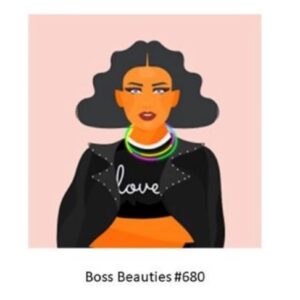
One of the stolen NFTs
What the case did not look at, as it was outside of the scope of the remedy requested, is the link between the NFT and the underlying content that the NFT represents. The case confirms and reassures that NFTs are property, but the status and safety of the asset itself, held away from the blockchain is a different question.
In the case of metaverse use, the visual or audio elements of the virtual assets that you have bought are stored away from the blockchain and are under the control of the metaverse platforms. Under common terms of service of metaverse platforms they can potentially delink your assets from the NFT.
So as well as the risk of devaluation of a digital purchase, there are arguably risks around your ability to access the digital goods. For example, the platform The Sandbox retains the right to delete your NFT’s images from its platform if you are in breach of their terms and states “We reserve the right to remove Assets and Games from the Services, in whole or in part, without prior notice, for any reason or for no reason at all”. So while the NFT “receipt” on the blockchain is incontrovertible proof of your asset purchase, the asset itself is not so secured. In a constantly evolving environment, changes to a metaverse platform’s terms and conditions after purchase of an asset may make your purchase vulnerable.
Buyer beware
Is it a risk worth taking? Arguably purchase of any asset real or virtual involves an element of risk. Somnium Space’s founder and CEO, Artur Sychov has said “Real monetary value should only be attached to virtual goods that provide real utility for their owners, otherwise there is a huge risk of creating a speculative bubble that will hurt consumers and companies.”
Buying virtual property in the metaverse has been likened to the dotcom goldrush. Despite some risks, interest is growing and to quote a Snoop Dogg Tweet from the end of last year:
“We on the cusp of a digital revolution. Wake up n get it.”
This article was prepared by HGF’s Trade Mark Director Lucy Pope.