




















Published septembre 2026
Beyond the Patent: Rethinking Innovation Protection in the Medtech Sector

For many medical technology companies, a patent is the natural starting point when considering intellectual property protection for a new product.
The technology is new, the invention is technical and the commercial instinct is therefore to ask: what can we patent?
But that question may be too narrow.
The recently modernised EU Registered Design regime provides Medtech companies with an opportunity to think more broadly about the IP protection available for their products.
The new regime expressly accommodates animation and movement, digital products such as graphical user interfaces, and dynamic representations including 3D and video formats.
For Medtech companies, these changes are potentially significant. They create greater scope to protect aspects of a product that may be commercially important, but which are not necessarily captured by patent protection.
The question is therefore no longer simply “What can we patent?”, but “What aspects of our product create commercial value, and which IP right is best suited to protect each of them?”
One product, multiple IP assets
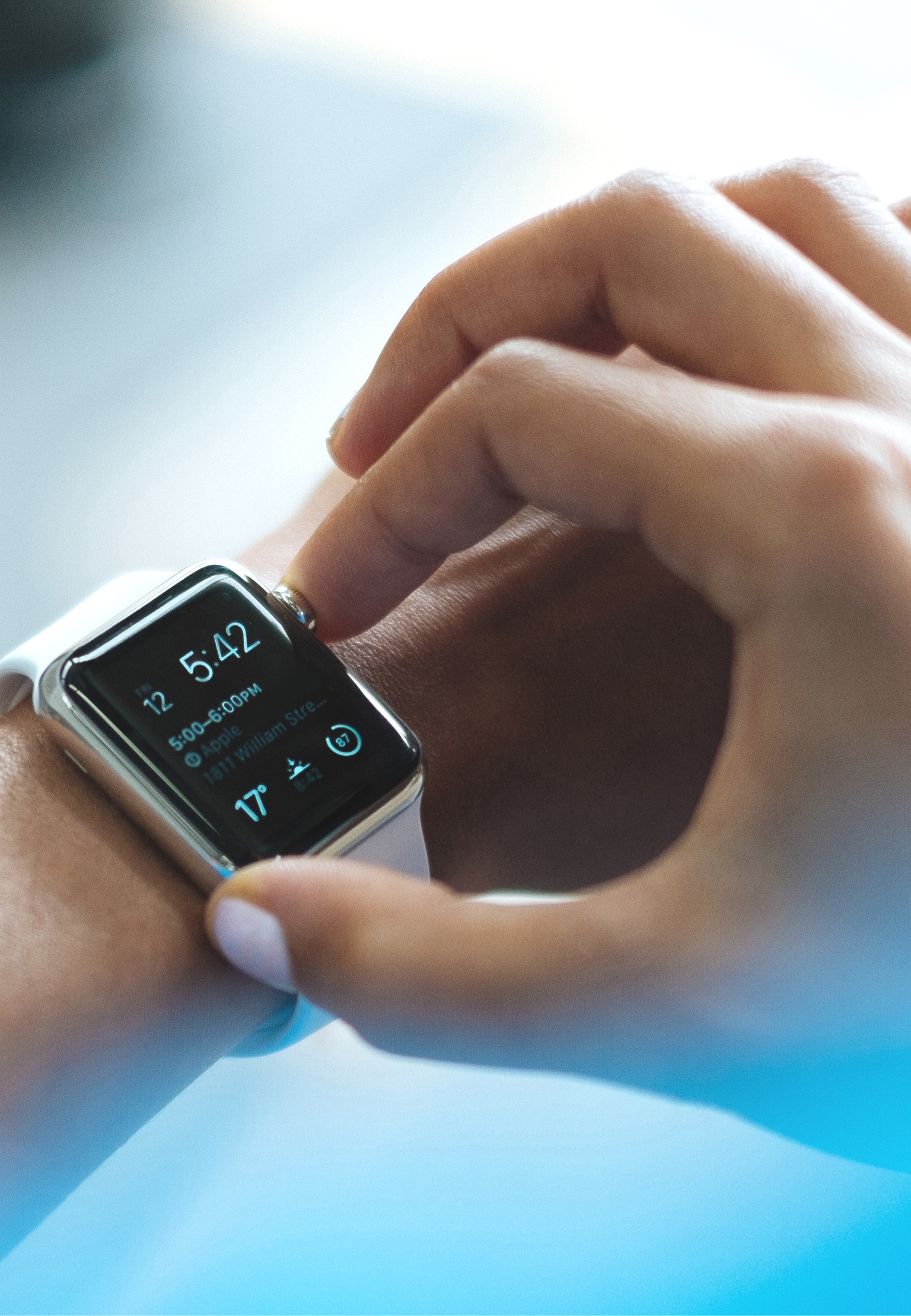
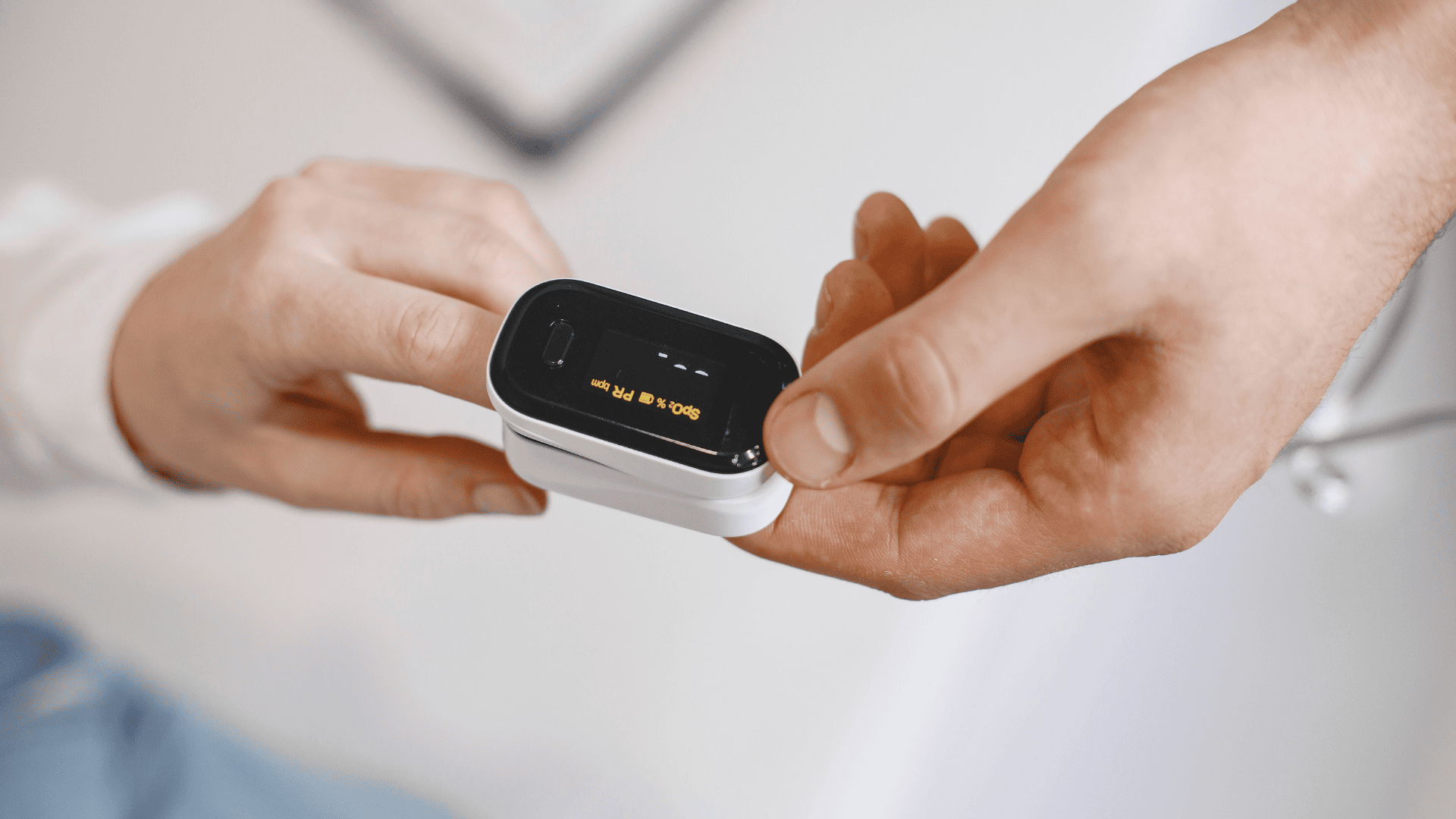
Consider a hypothetical new wearable patient-monitoring device.
The underlying technology might include a novel sensor arrangement, a new method of processing physiological data that provides a technical advantage, and an innovative power-management system. Those features may be natural candidates for patent protection.
But imagine that the company has also invested heavily in creating a distinctive, compact housing for the device, with a particular arrangement of contours, buttons and indicator lights. The user interface has been designed to make complex patient information immediately understandable to clinicians, and certain elements of the interface animate as the patient’s condition changes.
Those features may contribute significantly to the product’s commercial appeal and differentiation, but they are not necessarily protected by the same IP rights as the underlying technology.
A patent may protect the technical solution. A trade mark may protect the brand. Confidentiality may protect know-how. A registered design can protect the appearance of the product itself.
This layered approach can be particularly valuable in the Medtech sector, where significant investment is made not only in developing technology but also in product design, usability and interaction with healthcare professionals and patients.
What has changed?
The modernised EU design framework brings the design regime more clearly into the digital age. The definition of a design now expressly includes movement, transition and animation. The definition of “product” has also been expanded to include non-physical products, such as graphical user interfaces. Dynamic and animated representations can be used, including 3D and video formats.
For a medical device incorporating a sophisticated user interface, for example, this could provide an opportunity to consider protection for the visual appearance and behaviour of the interface itself, rather than treating design protection as relevant only to the physical housing of the device.
In general terms, the representations of the design included in a registered design application define the scope of protection being sought, and therefore the choice of representations is particularly important. That creates both an opportunity and a strategic consideration.
More sophisticated representations – but how much should you disclose?
The ability to use dynamic and 3D representations may allow a company to communicate the design of a product much more accurately than a small number of conventional images.
For our hypothetical monitoring device, a series of static images might not adequately capture an animated graphical interface or a component that moves during operation. A dynamic representation could provide a much clearer definition of the design.
But greater disclosure is not necessarily always better.
Medtech and other businesses routinely balance the desire to obtain broad IP protection against the need to keep commercially sensitive information out of the public domain. A design application should therefore not simply contain everything that can be shown. The applicant should consider which visual features genuinely need protection and which information is better kept confidential or protected through another IP right.
This is particularly relevant where a product contains both technical and aesthetic features. The fact that something can be represented in a registered design application does not necessarily mean that it should be. The new flexibility therefore makes design protection strategy even more important than before.
A practical example: the next generation monitoring device
Returning to our hypothetical wearable device, the company might consider an IP strategy along these lines:
The technical architecture – sensor configuration, signal processing and power-management technology – could be considered for patent protection.
The external appearance – including the shape, contours, configuration and visible features of the device – could potentially be protected through one or more Registered designs.
The graphical user interface – including its visual layout and potentially animated aspects – could be considered separately for design protection where the relevant design requirements are met.
The brand name and logo – could be protected through trade marks.
Undisclosed technical know-how – such as manufacturing processes or algorithms that do not need to be disclosed – could potentially be retained as confidential information.
The result is not one IP right competing with another. It is a portfolio in which different rights protect different elements of the same commercial product.
That distinction can become particularly important as a product evolves. Any registered design rights associated with the product can be maintained independently of a patent right that protects the technical aspects of the product. If the appearance of the product and/or its graphical user interface change during the product’s lifetime, then new registered design protection may be sought to protect the updated product and/ or user interface appearance. Registered design protection can therefore form part of a longer-term strategy for protecting the commercial identity of a successful device.
What should Medtech companies do differently?
The EU design reform provides a good reason to revisit the IP review process carried out by Medtech companies when a new product is being developed.
Rather than asking only whether the underlying technology is patentable, businesses could consider conducting a broader IP asset mapping exercise at an early stage of product development.
Medtech IP checklist
When developing a new product, consider:
- What is technically new?
Identify inventions that may warrant patent protection, including less obvious technical improvements developed during product design. - What will the customer actually see?
Identify distinctive visual features of the physical product – its shape, configuration, surface features, colours and other visible characteristics, as these may have commercial significance. - Does the product move or change visually?
Consider whether movement, animation or transition forms part of the product’s visual identity and whether the new design regime provides an opportunity to capture it. - Does the product include a graphical user interface?
For connected devices and digital health products, consider whether the appearance and arrangement of the interface should be assessed for design protection alongside any technical software-related protection. - What should not be disclosed?
Before filing, identify technical or commercially sensitive information that does not need to appear in the design representation and may be better protected through patents, trade secrets or confidentiality. - How should the design be represented?
Consider carefully which views, disclaimers and, where appropriate, dynamic or 3D representations most effectively define the intended scope of protection. - Are there multiple commercially important designs?
The new EU Registered Design regime permits up to 50 designs in a multiple application and has removed the previous unity-of-class requirement, potentially making it easier to build a portfolio covering different products or variants. - What is the long-term product strategy?
Consider whether registered design protection could continue to provide value as patents expire, products are refreshed or new competitors enter the market.
Beyond the patent
For Medtech companies, the important change may therefore be less about any individual provision of the new EU Registered Design regime and more about the way businesses think about IP.
A medical device is rarely just a technical invention. It is often a combination of technology, physical design, software, user experience, branding and know-how. Each of those elements can create commercial value. Each may require a different form of protection. The modernised EU Registered Design regime gives businesses more flexibility to protect some of those non-technical aspects, including increasingly important digital and dynamic elements.
The opportunity for Medtech companies is to move beyond the patent – not by replacing patent protection, but by asking a broader question at the start of product development:
What makes this product valuable, and are we protecting all of it?
How HGF can help
HGF’s Medtech and Designs teams help businesses to develop a comprehensive IP strategy that protects the full value of their innovations.
From registered designs for physical products and digital interfaces to patents, trade marks and confidential know-how, our multidisciplinary teams combine design expertise with technical knowledge across sectors including medical devices, engineering, software and digital health to identify and protect the IP assets that matter commercially.
This article was prepared by Senior Patent Attorney Joanne Meredith and originally published by Health Tech World.